
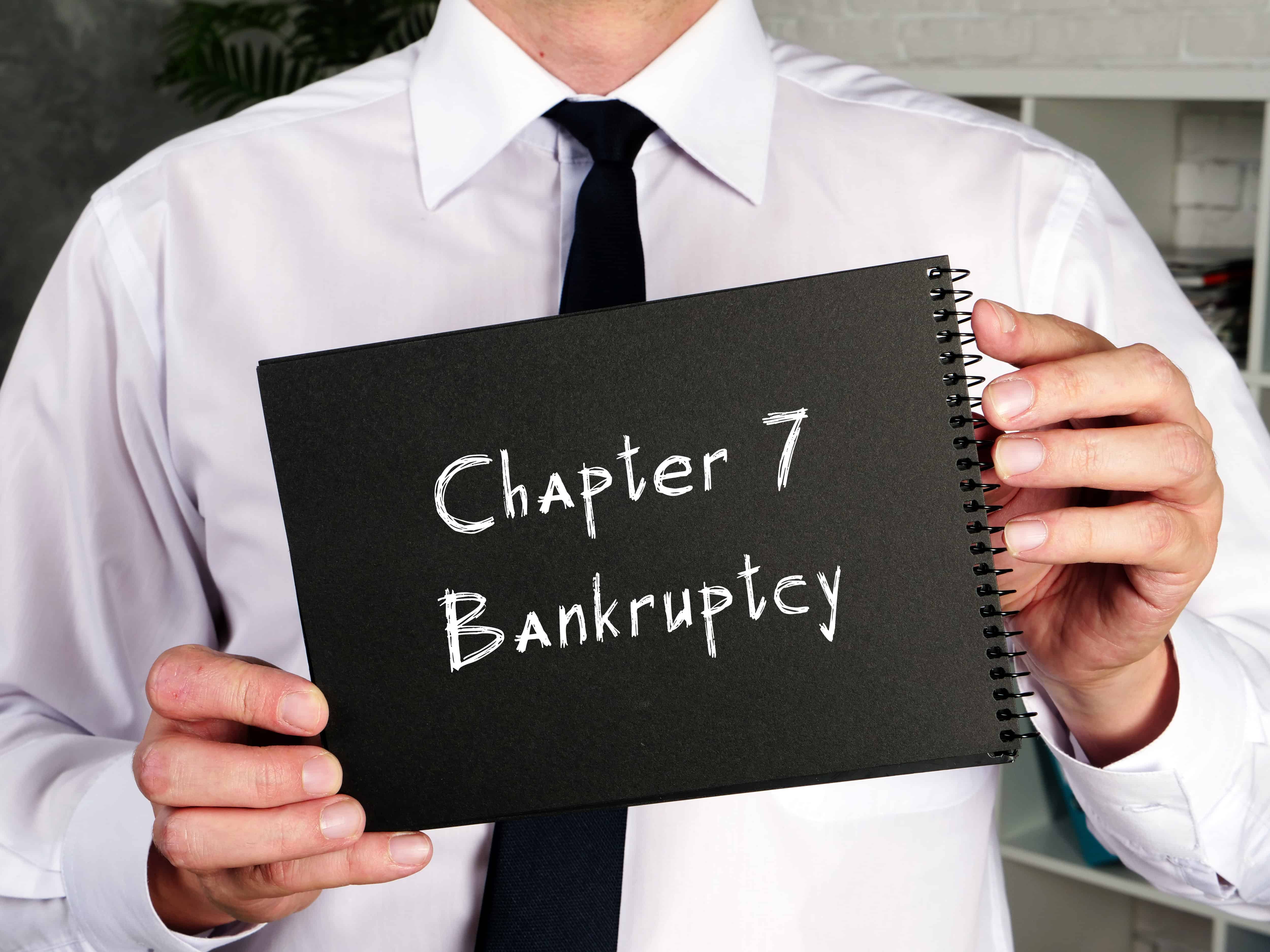
Chapter 7 Bankruptcy in Miami Explained: A Fresh Start for Financial Relief
If you’re overwhelmed by debt and searching for answers, you’re not alone. Many individuals and families in Miami face financial challenges at some point—and for many, Chapter 7 bankruptcy offers a real path forward.
Despite the stigma, bankruptcy is not the end. In fact, it’s often the beginning of a clean financial slate.
In this guide, we’ll break down exactly how Chapter 7 bankruptcy in Miami, Florida works, who qualifies, what happens to your assets, and what you can expect from the process.
What Is Chapter 7 Bankruptcy?
Chapter 7 bankruptcy—often called “liquidation bankruptcy”—is designed to eliminate most unsecured debts and give you a fresh start.
This includes debts like:
- Credit cards
- Medical bills
- Personal loans
- Certain judgments
In most cases, eligible debts are completely discharged, meaning you are no longer legally required to pay them.
For many people in Miami, Chapter 7 is the fastest and most effective way to reset financially.
Who Qualifies for Chapter 7 Bankruptcy in Florida?
Not everyone automatically qualifies for Chapter 7. To be eligible, you must pass what’s known as the means test.
The Means Test (Simplified)
The means test looks at:
- Your income
- Your household size
- Your expenses
If your income is below Florida’s median income for your household size, you will likely qualify.
Even if your income is higher, you may still be eligible depending on your financial situation.
👉 This is why speaking with a Miami bankruptcy attorney is important—qualification isn’t always as straightforward as it seems.
How the Chapter 7 Process Works in Miami
Filing for Chapter 7 bankruptcy in Miami follows a structured legal process. Here’s what you can expect:
1. Initial Consultation
You meet with a bankruptcy attorney to review your finances and determine eligibility.
2. Filing the Petition
Your attorney files your case in the U.S. Bankruptcy Court for the Southern District of Florida.
Once filed:
- An automatic stay goes into effect
- Creditors must stop collections immediately
- Lawsuits, garnishments, and harassment pause
3. Trustee Assignment
A trustee is assigned to review your case and oversee the process.
4. 341 Meeting of Creditors
You attend a short meeting (usually virtual or brief in-person) where:
- The trustee asks basic questions
- Creditors rarely appear
Most cases are straightforward and stress-free.
5. Discharge of Debts
In about 3–4 months, your eligible debts are discharged.
👉 At this point, you are no longer responsible for those debts.
What Happens to Your Assets?
This is one of the biggest concerns people have:
“Will I lose everything if I file?”
The answer is usually no.
Florida has strong bankruptcy exemptions that protect many essential assets.
Common Protected Assets in Florida:
- Your primary home (homestead exemption)
- Retirement accounts (401k, IRA)
- Personal property (up to certain limits)
- A vehicle (within exemption limits)
Most Chapter 7 cases in Miami are “no-asset cases”, meaning you keep everything.
How Long Does Chapter 7 Take?
One of the biggest advantages of Chapter 7 is speed.
- Filing to discharge: approximately 3–6 months
- Immediate relief: starts as soon as you file
This makes it one of the fastest ways to eliminate overwhelming debt.
When Chapter 7 Is the Right Choice
Chapter 7 may be the best option if:
- You have mostly unsecured debt
- You’re struggling to keep up with payments
- You don’t have significant non-exempt assets
- You need a fast financial reset
- You want to stop creditor harassment immediately
If this sounds like your situation, Chapter 7 could provide the relief you’ve been looking for.
Chapter 7 vs Chapter 13: What If You Don’t Qualify?
If you don’t qualify for Chapter 7, you may still have options.
Chapter 13 bankruptcy allows you to:
- Keep your assets
- Set up a manageable repayment plan
- Catch up on missed mortgage or car payments
👉 If you’re unsure which path is right, you can read our full comparison here:
[Chapter 7 vs Chapter 13 Bankruptcy: What’s the Difference?]
Life After Chapter 7 Bankruptcy
Filing bankruptcy doesn’t mean your financial life is over—it means you have a chance to rebuild.
After Chapter 7:
- Your debt is cleared
- You can begin rebuilding credit
- Many people receive credit offers within months
- You regain control of your finances
For many Miami residents, this is the turning point toward long-term stability.
Speak with a Miami Bankruptcy Attorney
Every financial situation is different, and the best way to understand your options is to speak with an experienced attorney.
If you’re considering filing or just want answers, we’re here to help.
👉 Visit: https://alexisgarcia.legal/miami-bankruptcy-lawyer/
👉 Or contact us today for a consultation
You don’t have to navigate this alone—there is a path forward.
Leave a Reply